River Cruising Explained: From the St. Lawrence to the Danube
By Ben Reed | Owner/Certified Travel Advisor, North Country Travel Planners LLC
Based on regional familiarity and industry insight, this overview of river cruising explains what these sailings actually include, how they differ from ocean cruises, where they operate globally, and what travelers can expect on itineraries through the St. Lawrence Seaway and Great Lakes, along with practical examples of onboard features, shore excursions, and overall value.
River Cruise Snapshot
Cruise Type: River & Small Ship Cruising
Regions Covered: Europe • St. Lawrence Seaway • Great Lakes • Select Global Rivers
Typical Ship Size: 150–200 passengers (river ships) / small-ship expedition vessels
Experience Style: Destination-focused, structured itineraries, smaller group travel
Common Inclusions: Shore excursions • meals • select beverages • guided experiences
Best For: Couples • adult travelers • culturally focused itineraries • low-stress travel planning
Not Ideal For: Families with young children • nightlife-focused travelers • budget-first travelers
Who River Cruising Is a Good Fit For
Travelers who want a structured trip without planning every detail themselves
Couples or adult travelers looking for a quieter, more manageable onboard experience
First-time international travelers who want guidance and built-in excursions
Travelers who are more interested in destinations, history, and culture than onboard entertainment
People who have cruised before and want something smaller and more focused
A Familiar Sight Along the St. Lawrence
If you live along the St. Lawrence River, you’ve probably seen these ships moving through the Seaway.
They sit lower in the water, move at a steady pace, and pass through the locks in a way that looks completely different from the large cruise ships most people picture. Around here, it’s pretty normal to see them go by.
What’s also pretty common is the question that comes up when people notice them: What exactly are those ships, and why would someone choose that kind of cruise?
Most of the time, it comes down to not really knowing what’s included or how these trips are structured.
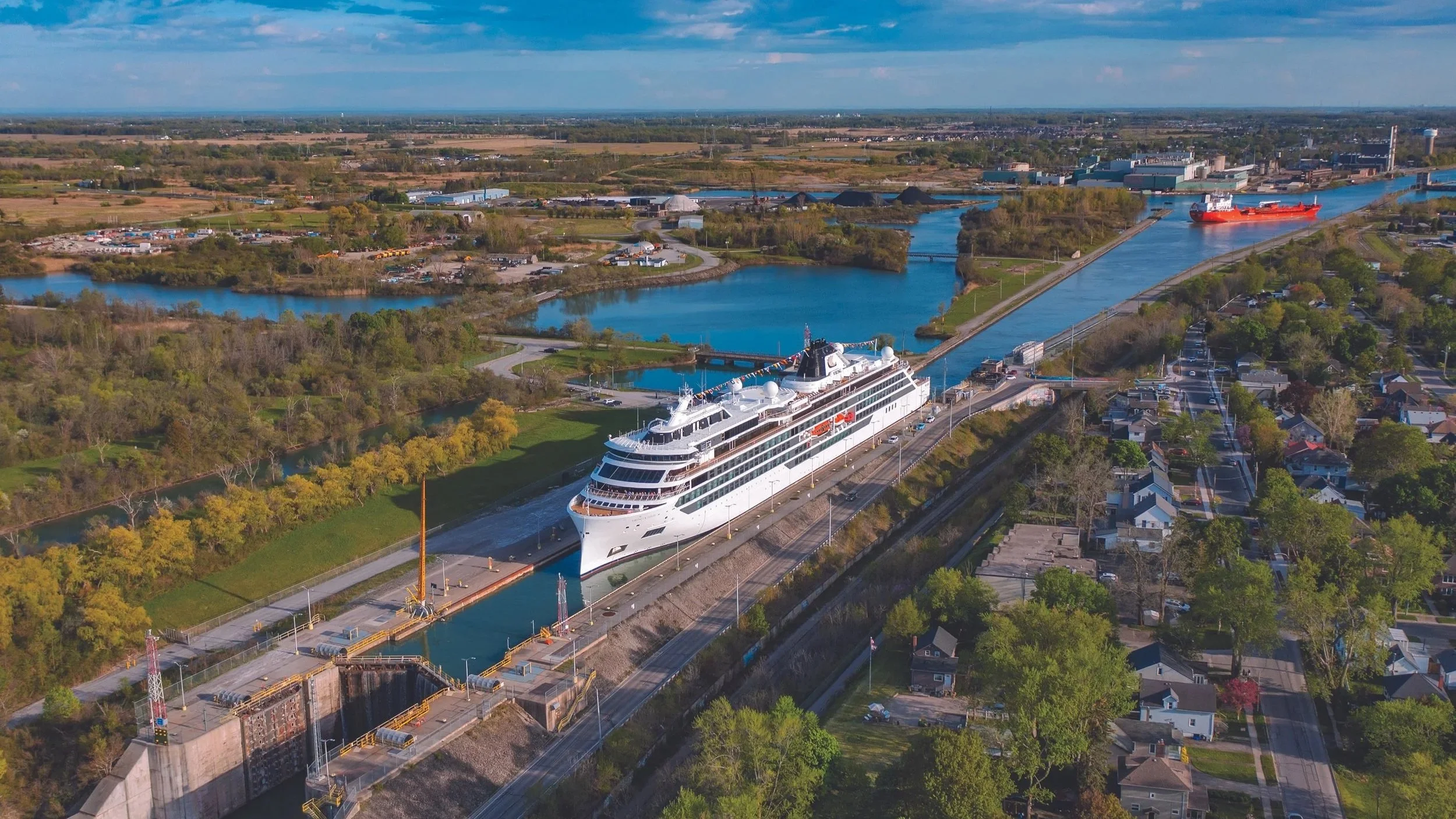
Viking Octantis transiting the Welland Canal.
What River Cruising Actually Is
River cruising is set up very differently from ocean cruising.
Instead of large ships with thousands of passengers, most river ships carry around 150–200 guests. Because of that, everything feels more manageable. Boarding is simpler, getting on and off the ship is easier, and you’re not dealing with large crowds.
One of the biggest advantages is where the ships dock. In most cases, they tie up right in or near the center of a city or town. You step off, and you’re already where you need to be, rather than arranging transportation to get there.
You also don’t have long stretches of open water with nothing around you. The ship is moving through towns, countryside, and active waterways for most of the trip, so there’s usually something to see.
Once you’re onboard, you unpack and stay in the same room for the entire itinerary.
What You’ll Find Onboard
River ships are not built around large-scale entertainment, but they are designed to be comfortable and easy to navigate.
Typical features include:
Staterooms with large windows or French balconies at or near the waterline
Open deck areas where you can sit outside while the ship is underway
Smaller lounges and bars that don’t feel crowded
Dining rooms with large windows and menus that reflect the region you’re traveling through
On ships operated by Viking Cruises, the setup is straightforward. The design is modern, the layout is easy to understand, and many of the common add-ons you see elsewhere are already included, such as WiFi and beer or wine with meals.
On expedition-style ships that operate in the Great Lakes, you’ll also see things you wouldn’t normally expect on a cruise ship—spaces like science labs, onboard equipment used for excursions, and wellness areas like Nordic-style spas.
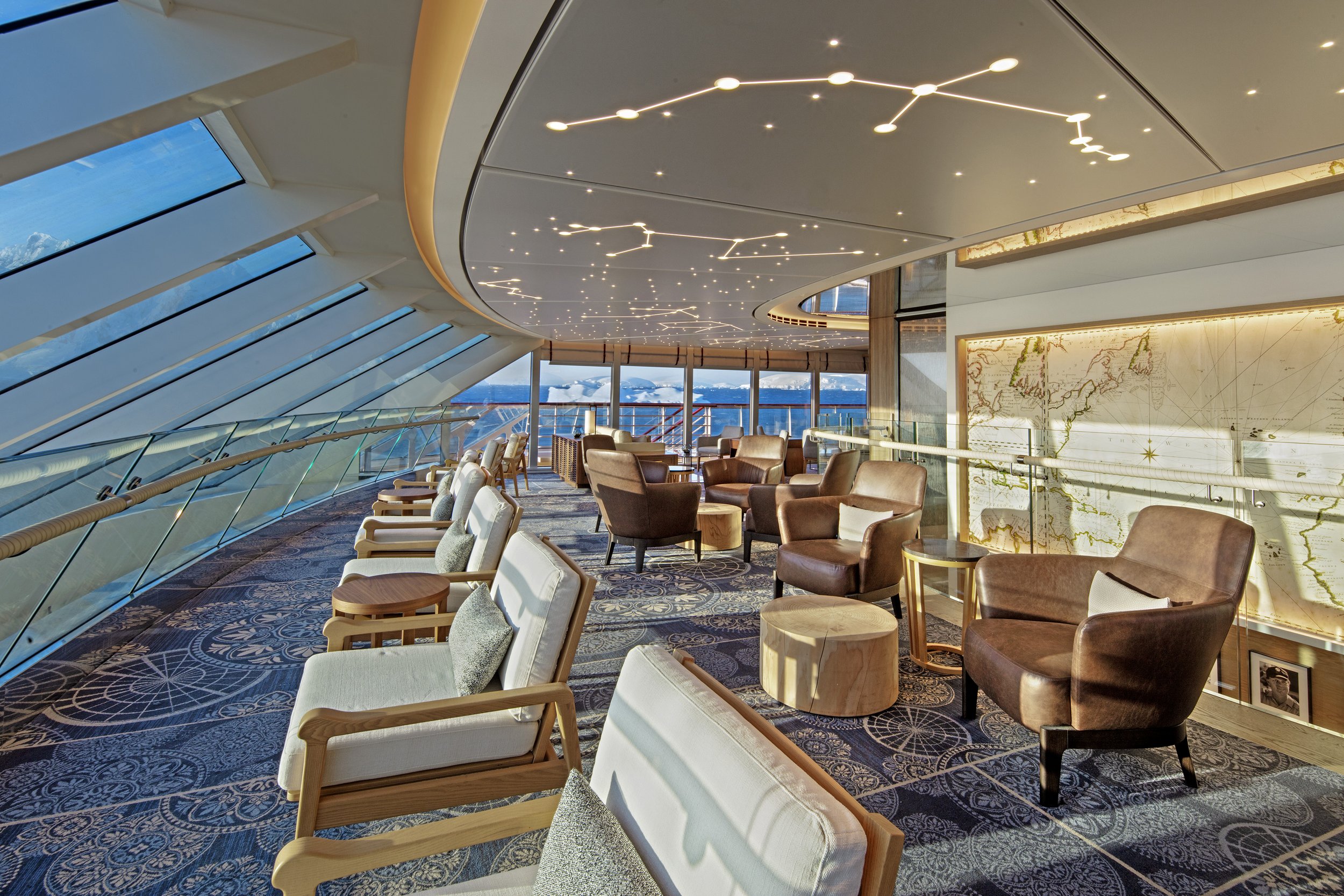
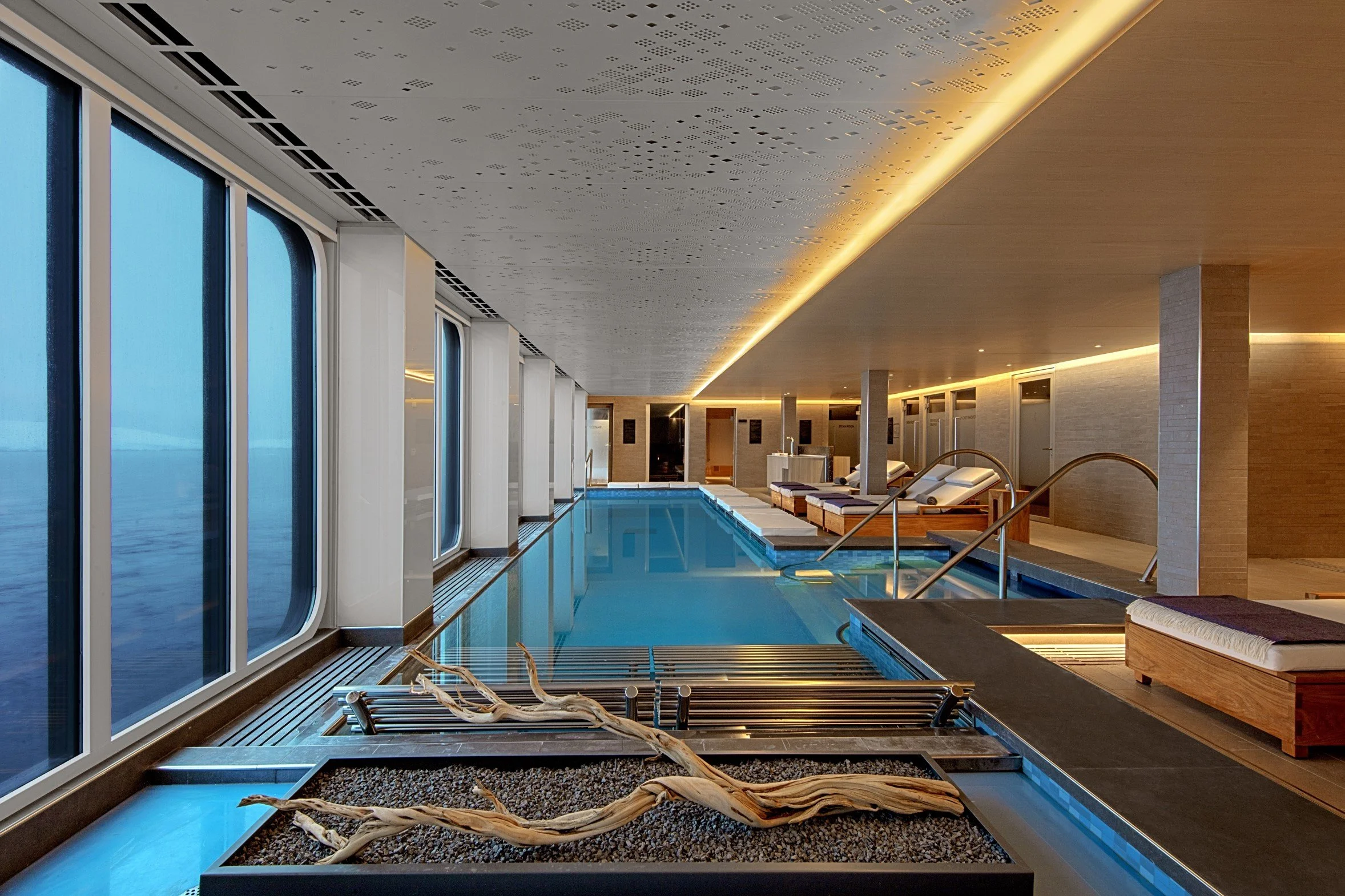
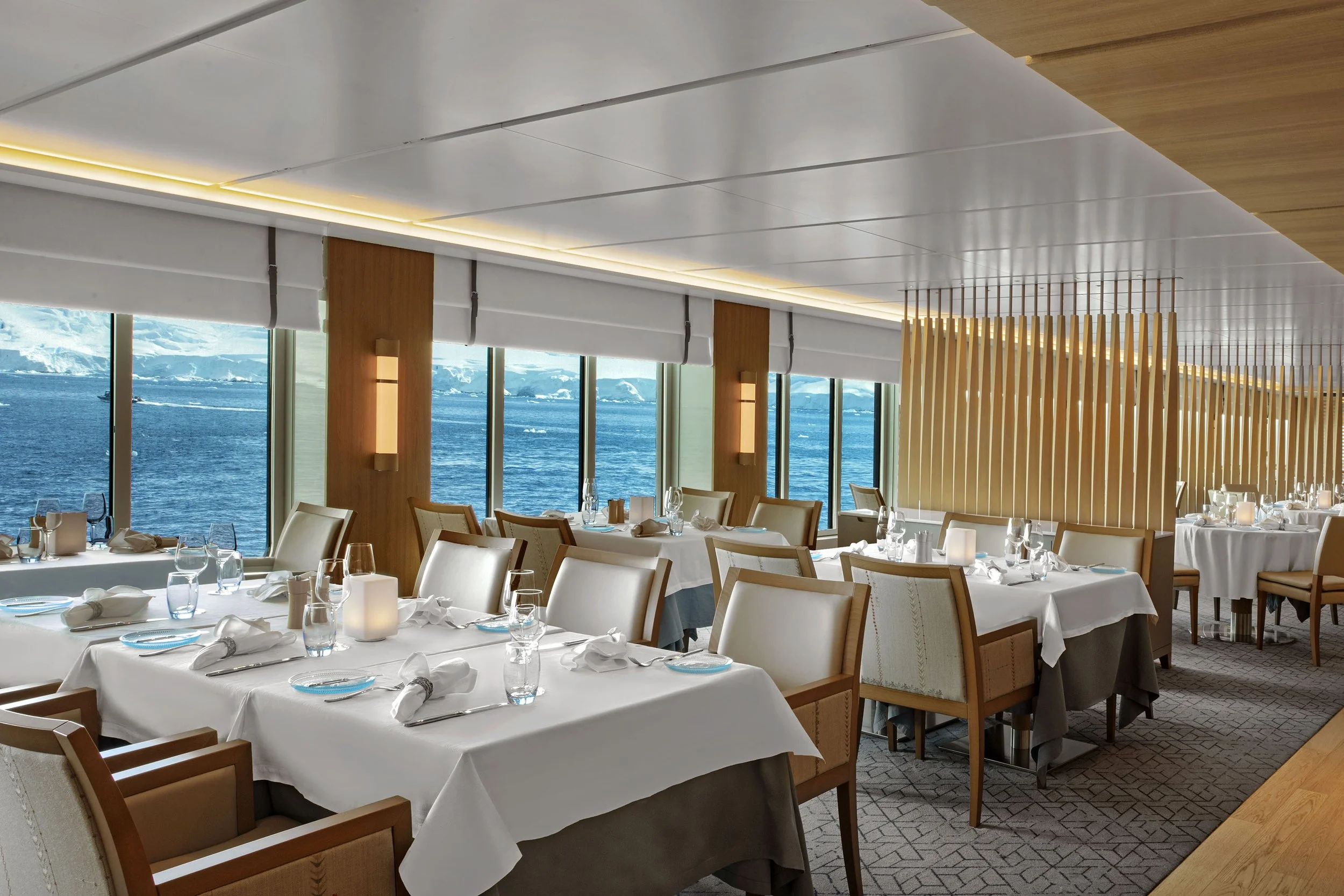
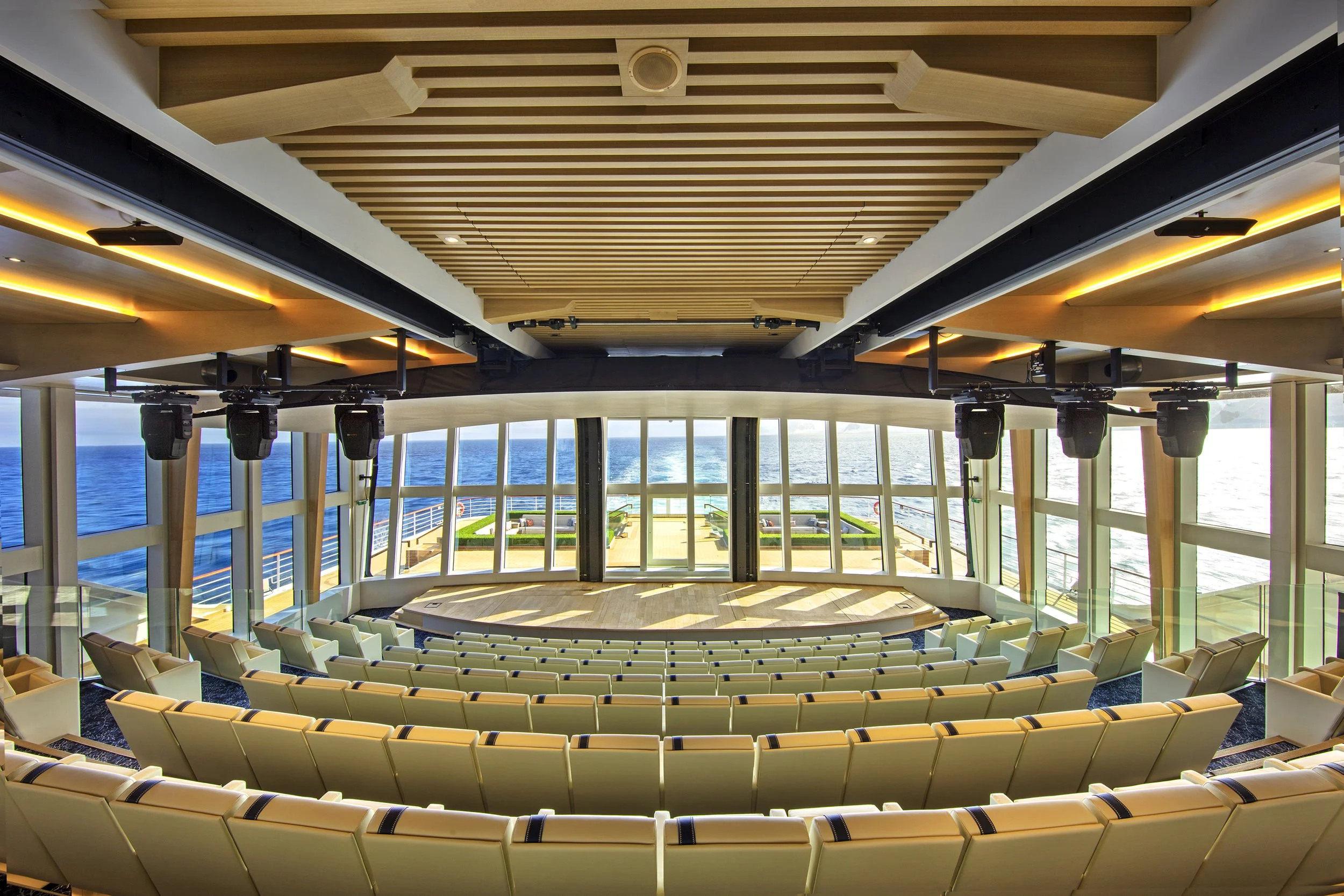
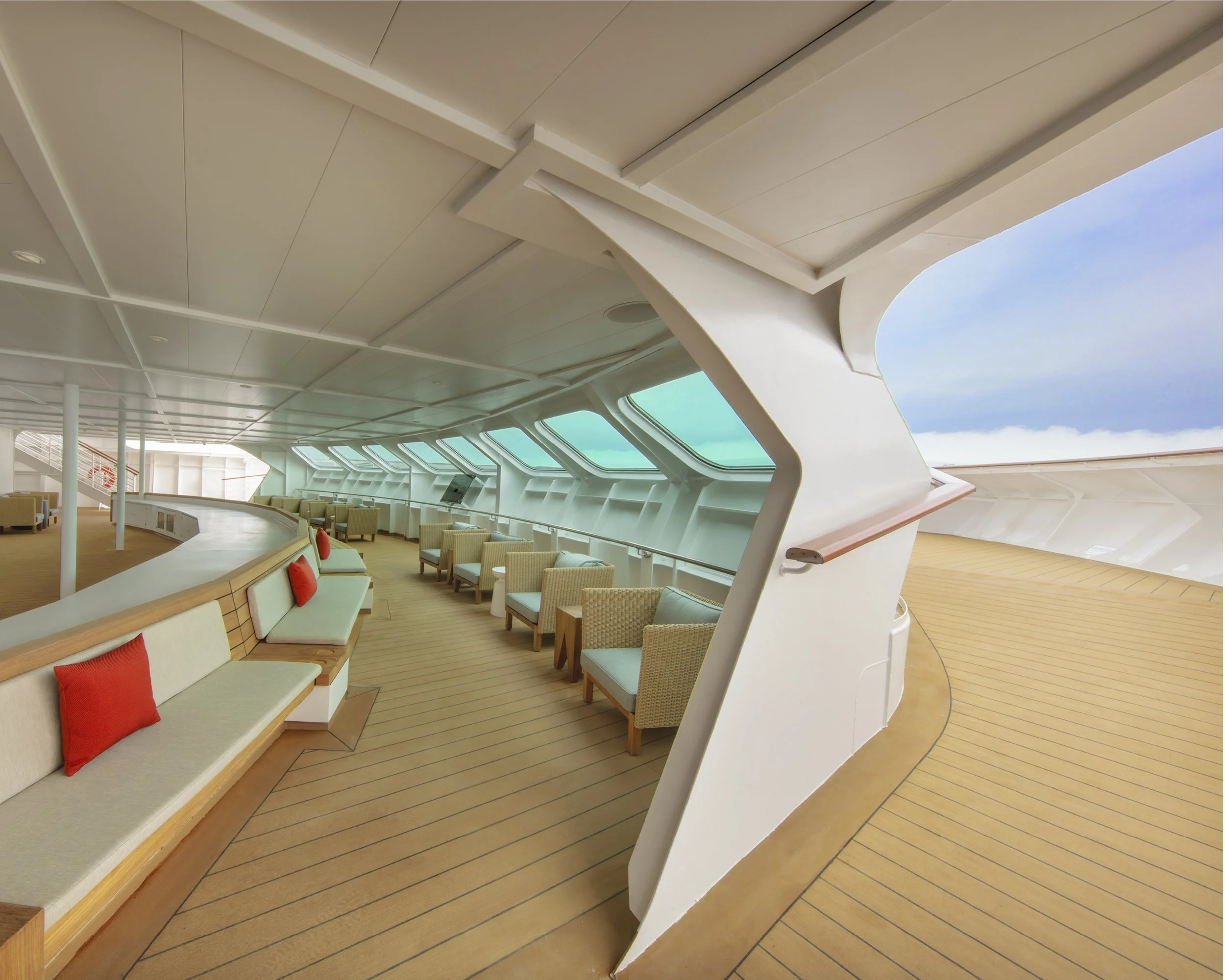
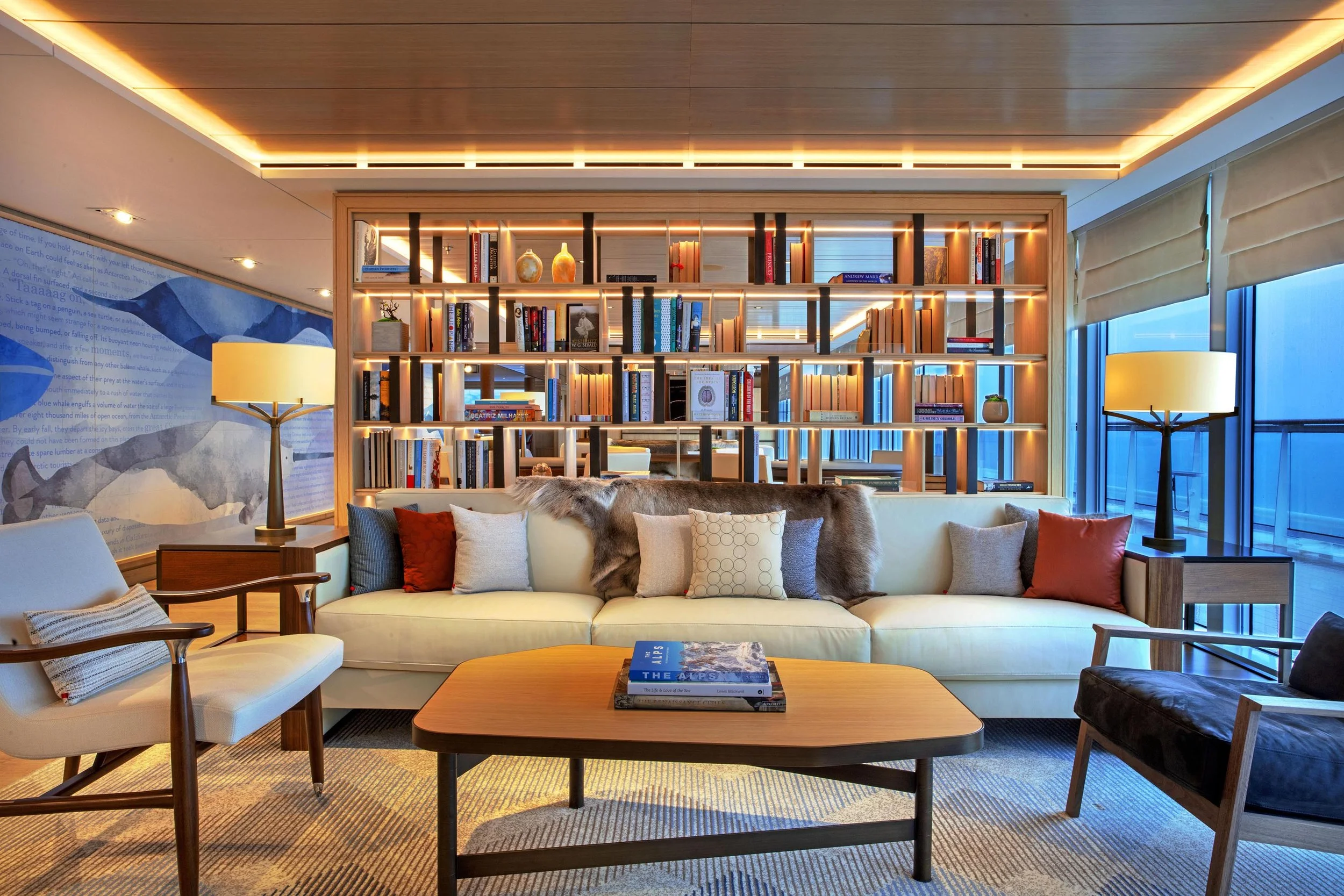

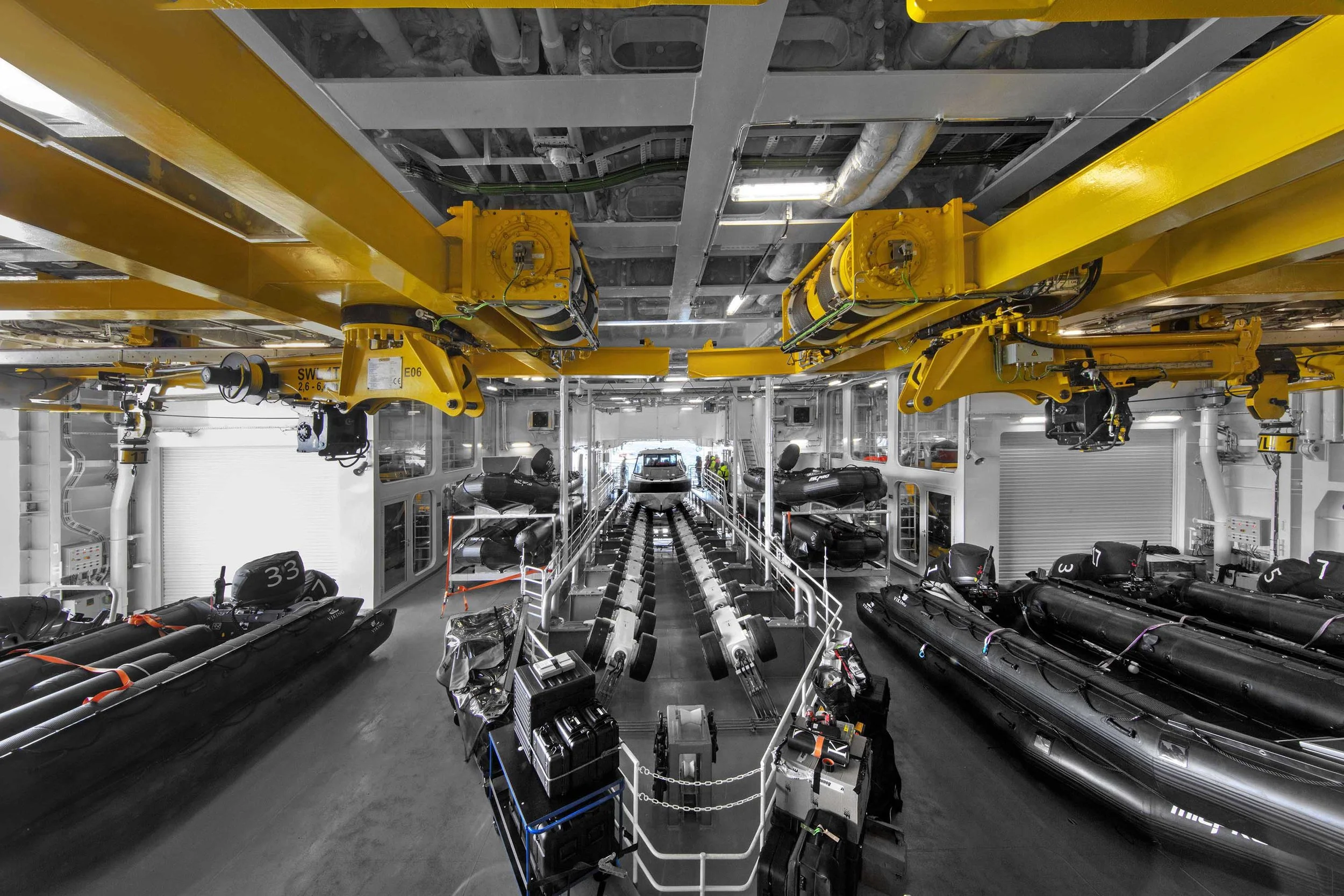
The images above include public areas onboard Viking Expedition ships, such as the Viking Octantis and Viking Polaris, both of which transit through the St. Lawrence Seaway and Great Lakes. Onboard spaces vary depending on the ship, but can include everything from observation lounges to science labs, spa areas, and expedition equipment used for excursions.
What You’re Doing in Each Port
A large part of the experience happens off the ship.
Most river cruise itineraries include at least one excursion in each port, and they’re designed so you don’t have to figure things out on your own unless you want to.
That might mean walking through a city like Vienna with a local guide, visiting a castle along the Rhine, or doing a wine tasting in a smaller region you wouldn’t necessarily find on your own.
Because the ships dock close to where these take place, you’re not spending your day in transit. You’re actually in the destination, and you usually have time after the guided portion to explore on your own.
Where These Cruises Operate
River cruising is a global product, but most itineraries are in Europe.
Routes like the Danube, Rhine, and Seine connect major cities with smaller towns in a way that works well for this style of travel. You’re not jumping between destinations, but moving through them and experiencing them in real-time.
Common itineraries include the Danube through cities like Budapest and Vienna, the Rhine with its castles and vineyard-lined towns, and the Seine connecting Paris with Normandy.
One of the busiest times of year is late November through December, when ships run Christmas market itineraries. These are built around cities that set up seasonal markets, with stops focused on local food, decorations, and traditions. It’s a different kind of trip compared to peak summer travel, but it’s one that’s become increasingly popular.
There are also itineraries in places like Portugal, Southeast Asia, and Egypt, but Europe is where most travelers start.
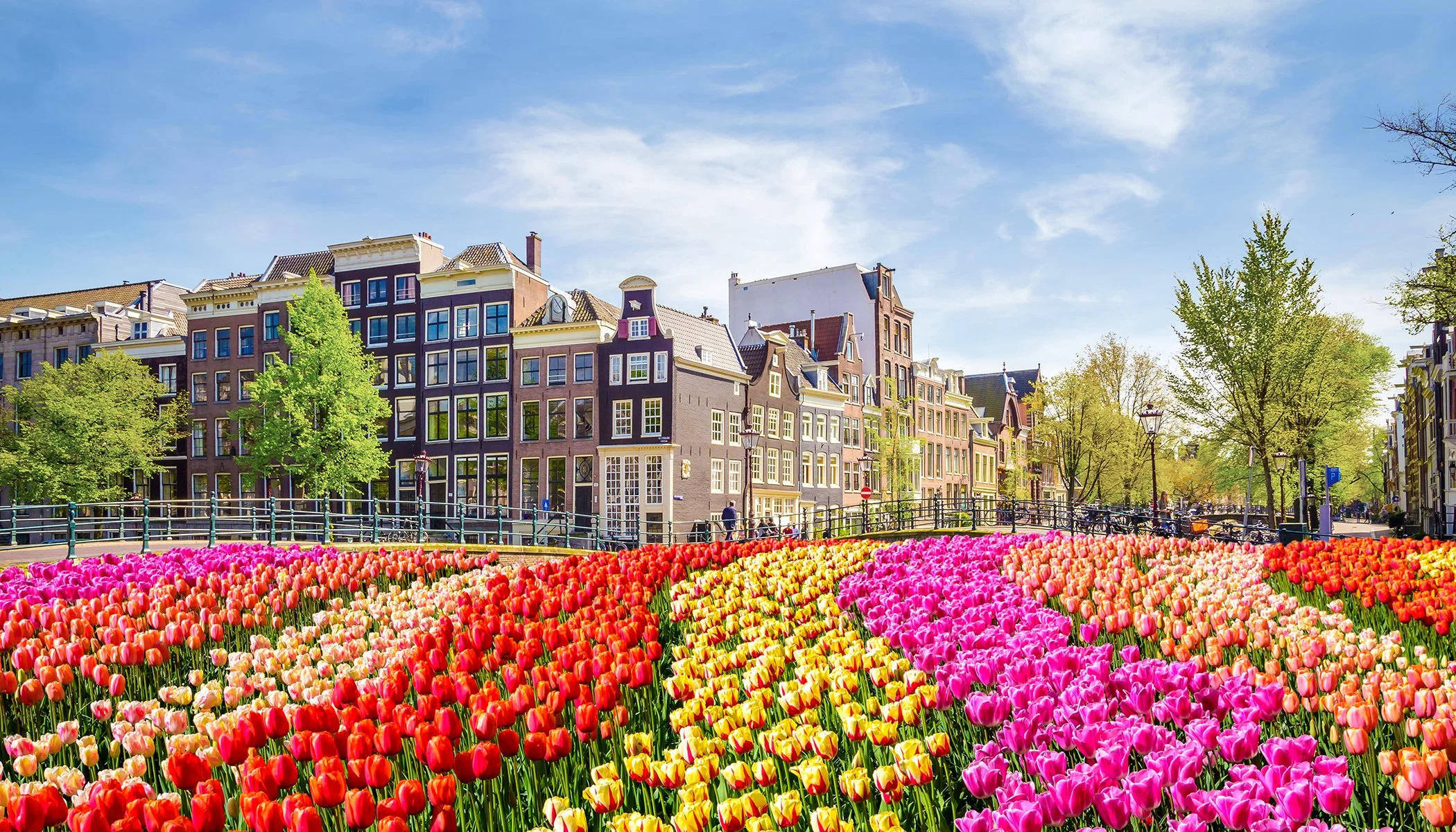

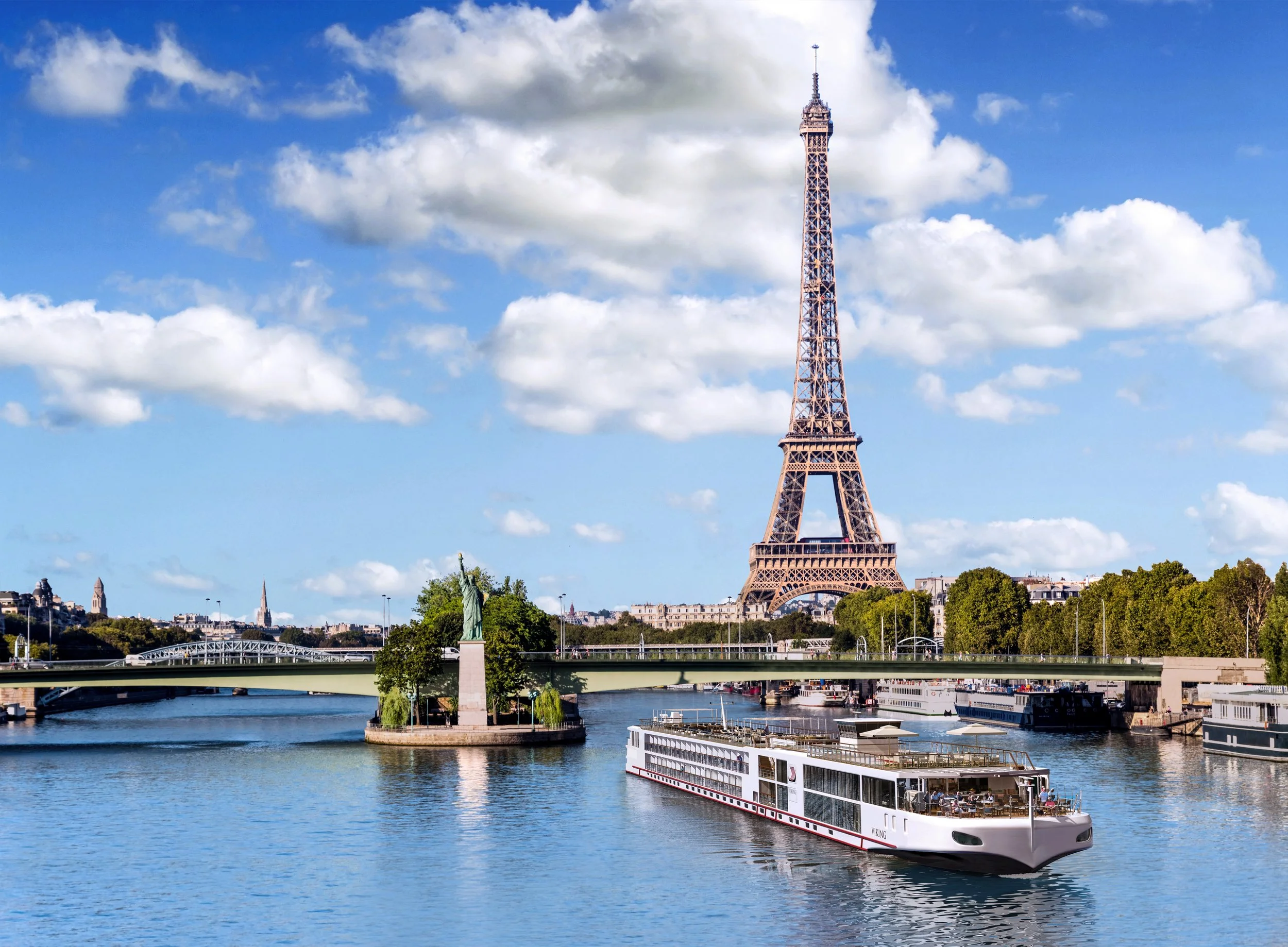
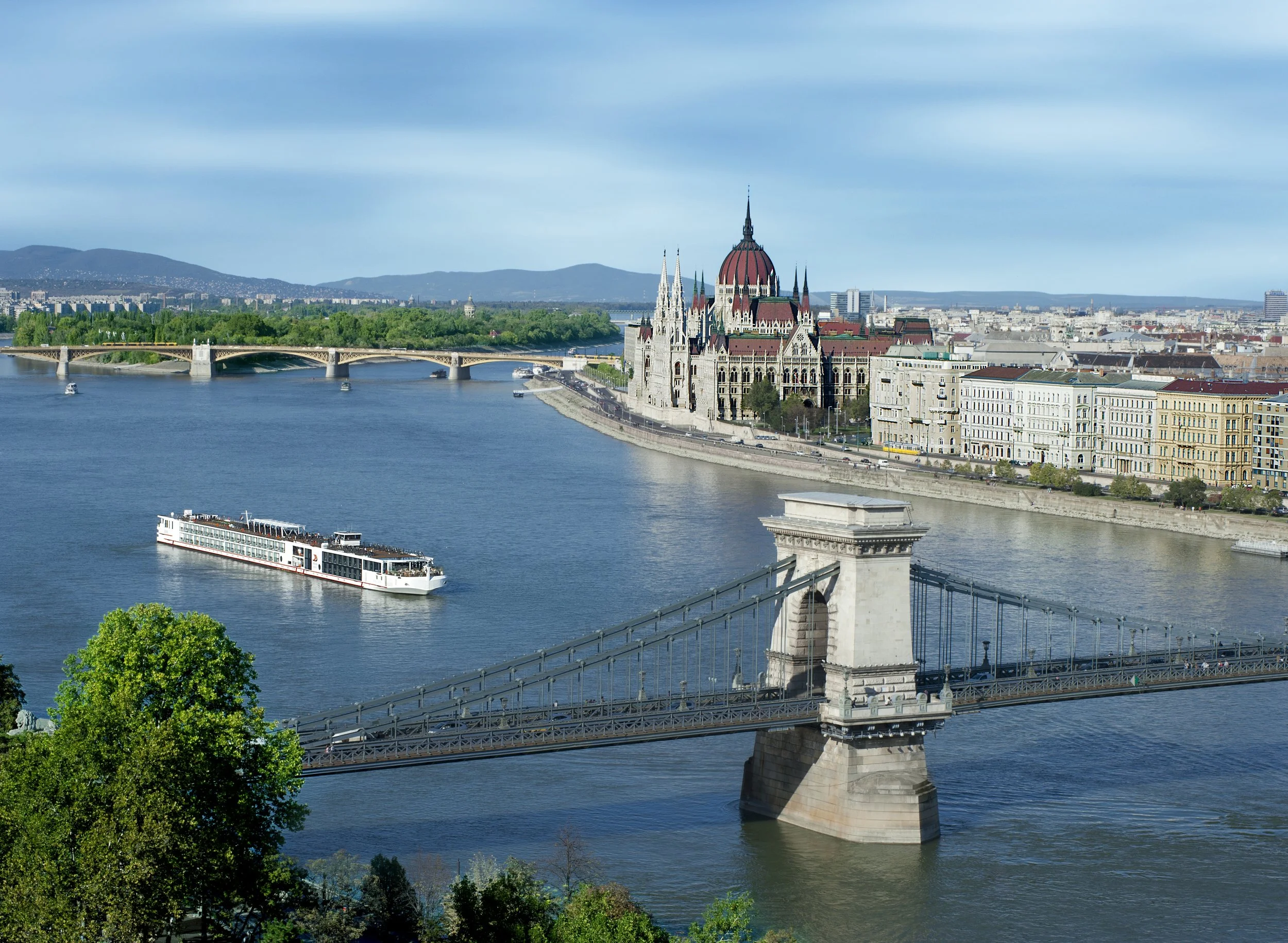
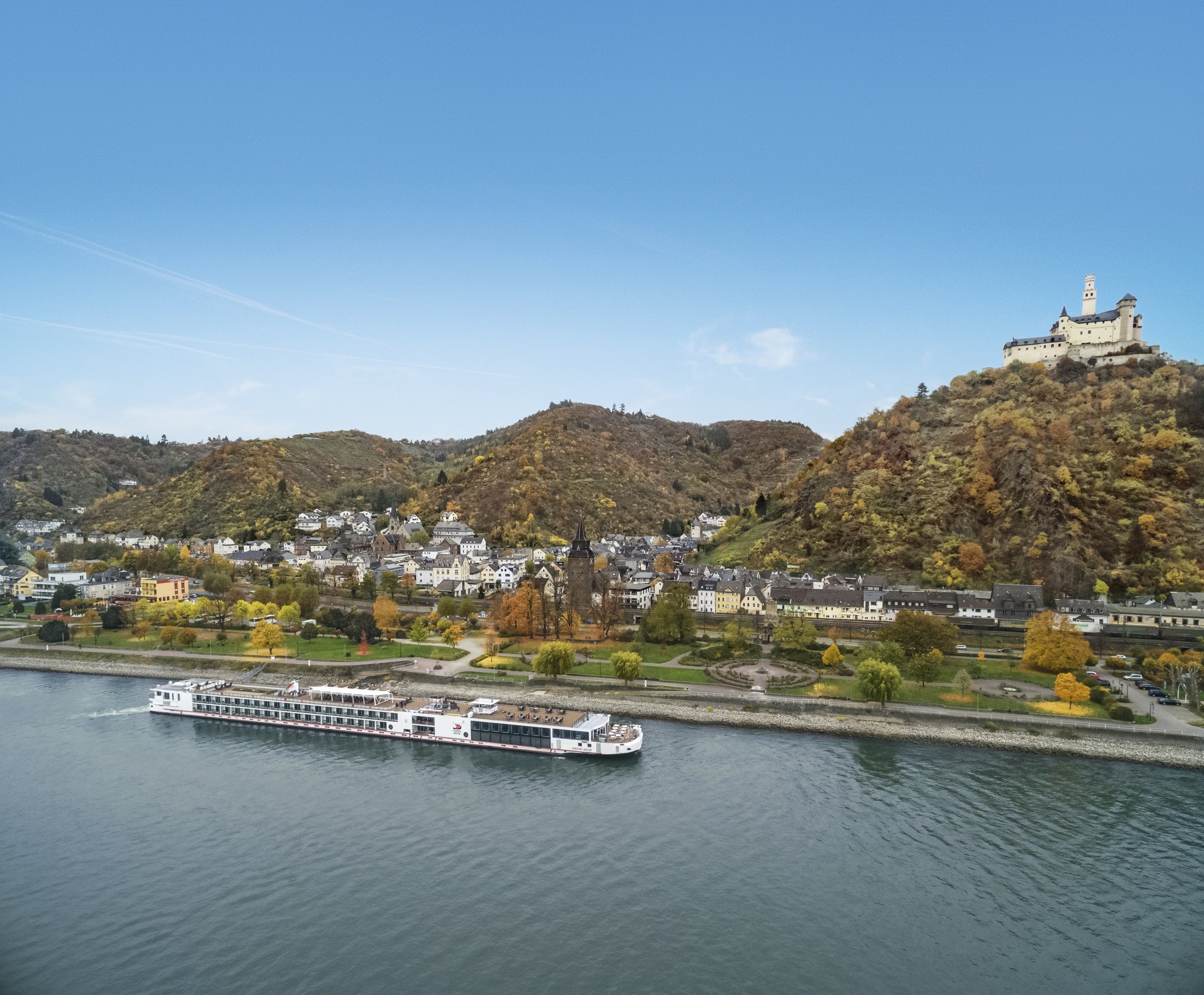
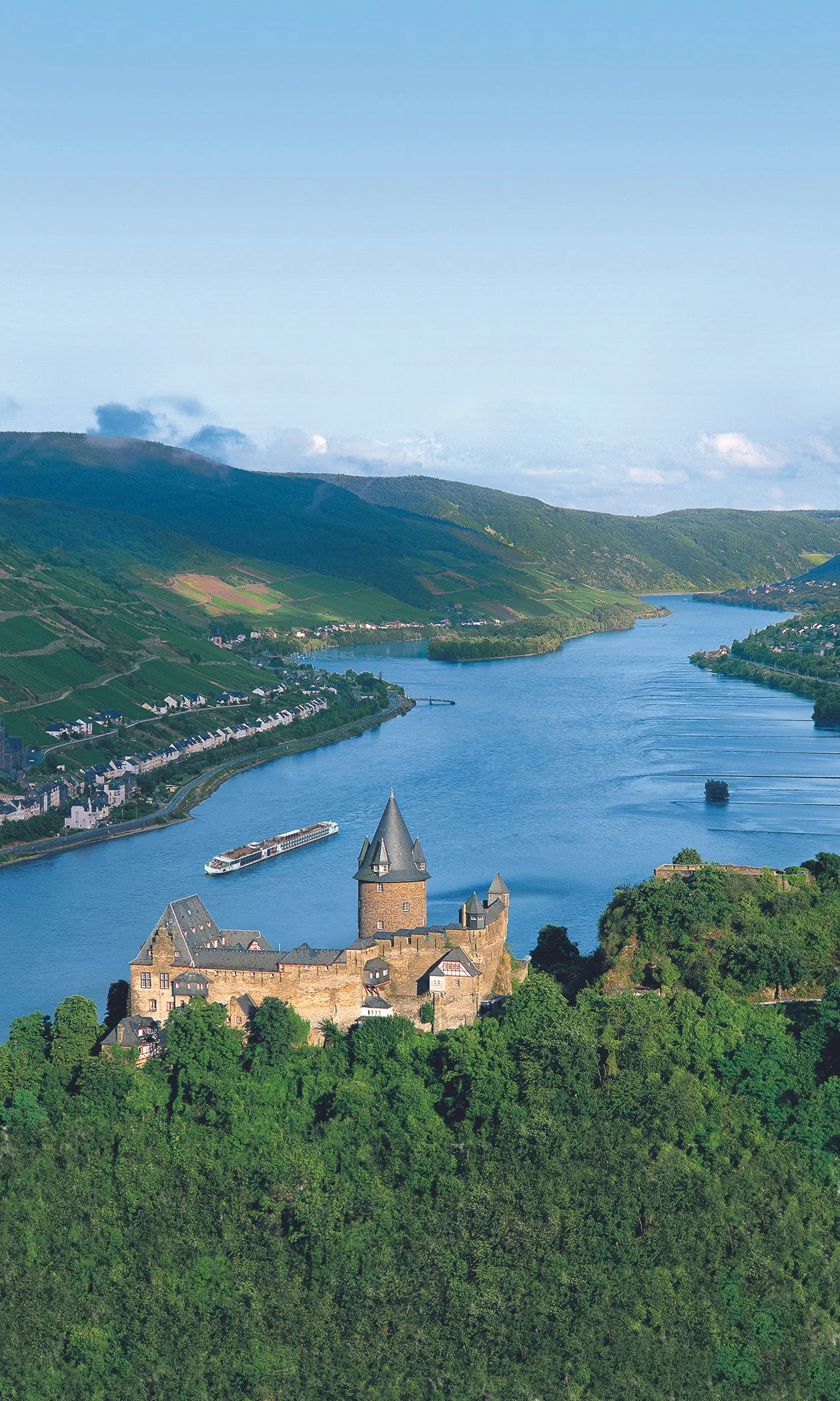

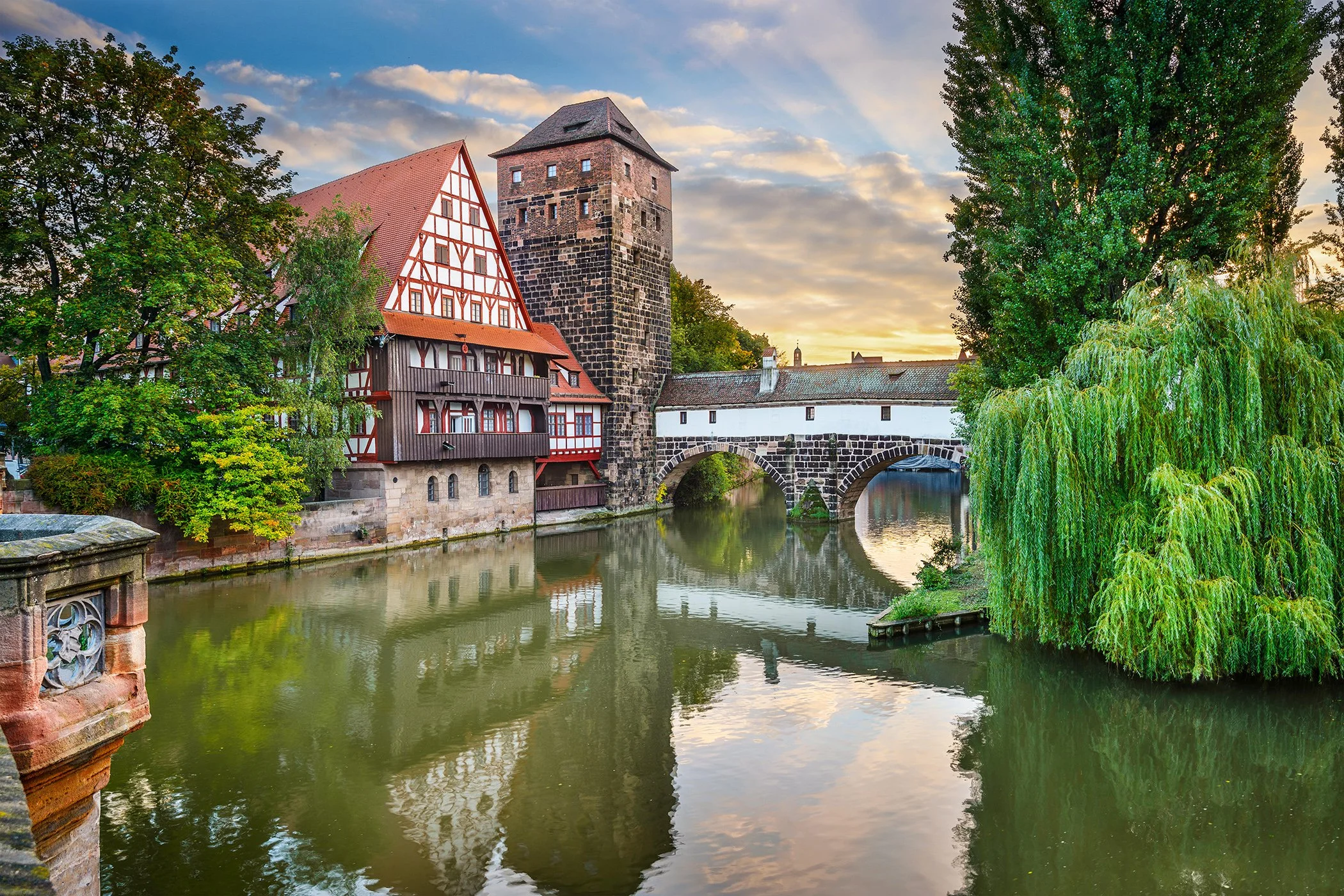
European river cruising connects major cities with smaller towns, with itineraries that focus on history, scenery, and seasonal experiences like Christmas markets.
What It’s Like on the St. Lawrence and Great Lakes
The experience closer to home is different, but it follows the same overall idea.
These itineraries include time moving through the locks of the St. Lawrence Seaway, cruising through the Thousand Islands, and stopping in cities like Kingston, Montreal, and Quebec City.
A big part of the trip is the water itself. The St. Lawrence is an active shipping route, and watching ships move through the lock system is something that stands out, especially for travelers who haven’t seen it before.
On land, the excursions are built around the region and can vary quite a bit depending on the itinerary.
In some cases, that means visiting Niagara Falls and getting close to the base of the falls. Other stops might include Mackinac Island, where cars aren’t allowed and getting around is done by bike or horse-drawn carriage.
There are also more outdoor-focused stops, particularly in places like Georgian Bay or along Lake Huron, where excursions can include kayaking, hiking, or small boat tours over known shipwreck areas.
In cities like Montreal and Quebec City, the focus shifts more toward history and culture, with guided walks, food experiences, and time to explore independently.
It’s not built around major tourist crowds. It’s more about the region itself and how it all connects.
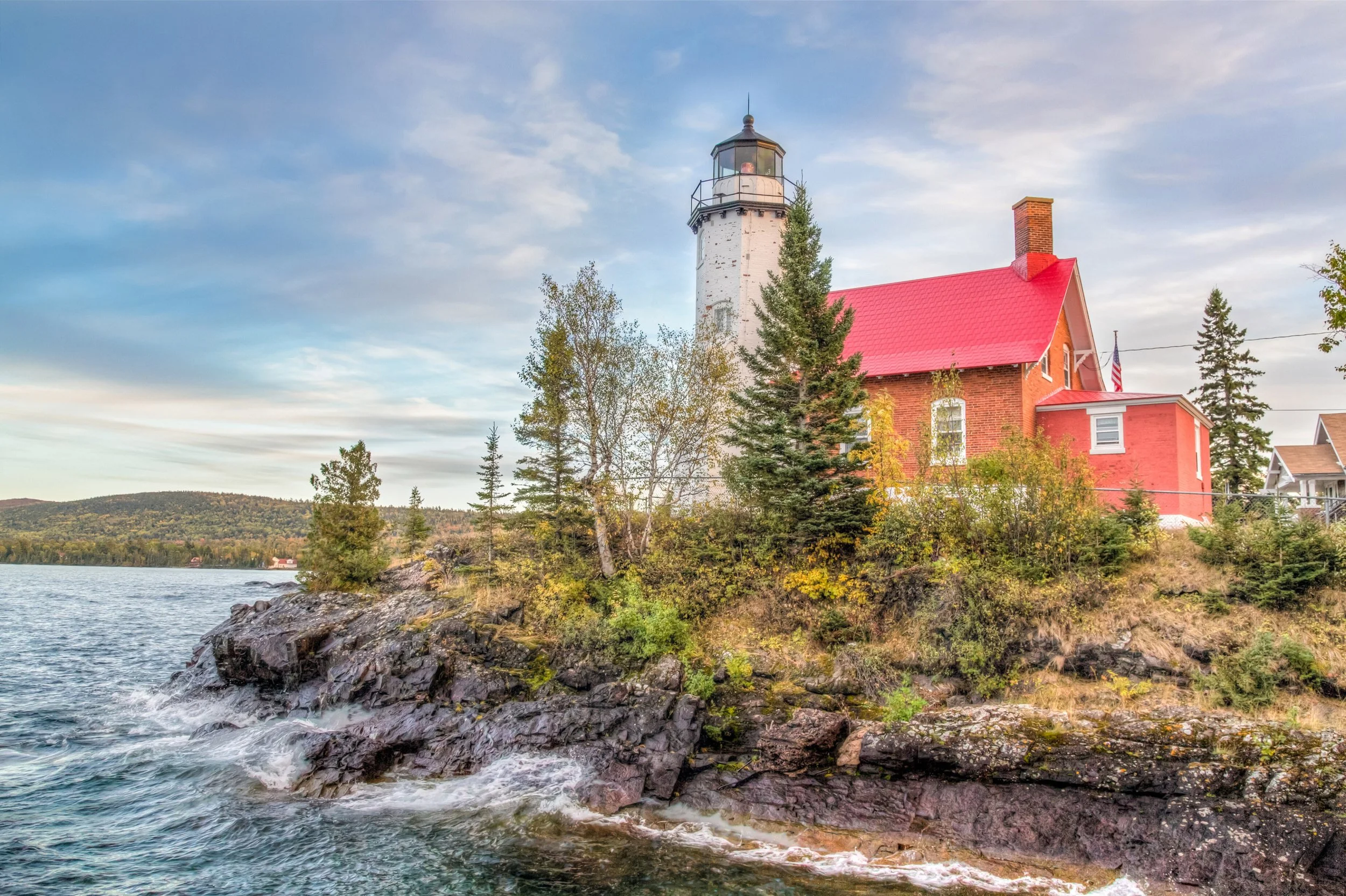

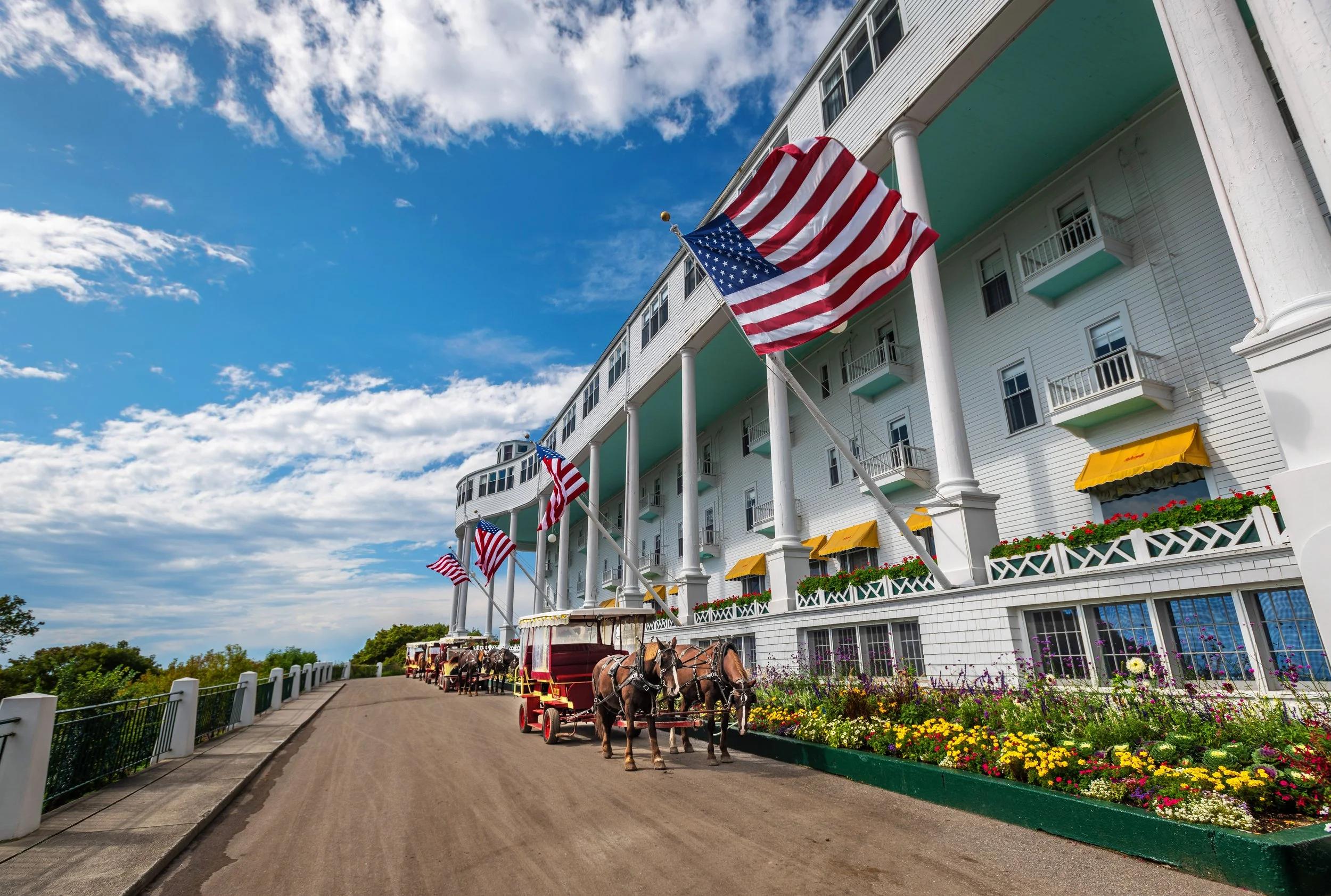
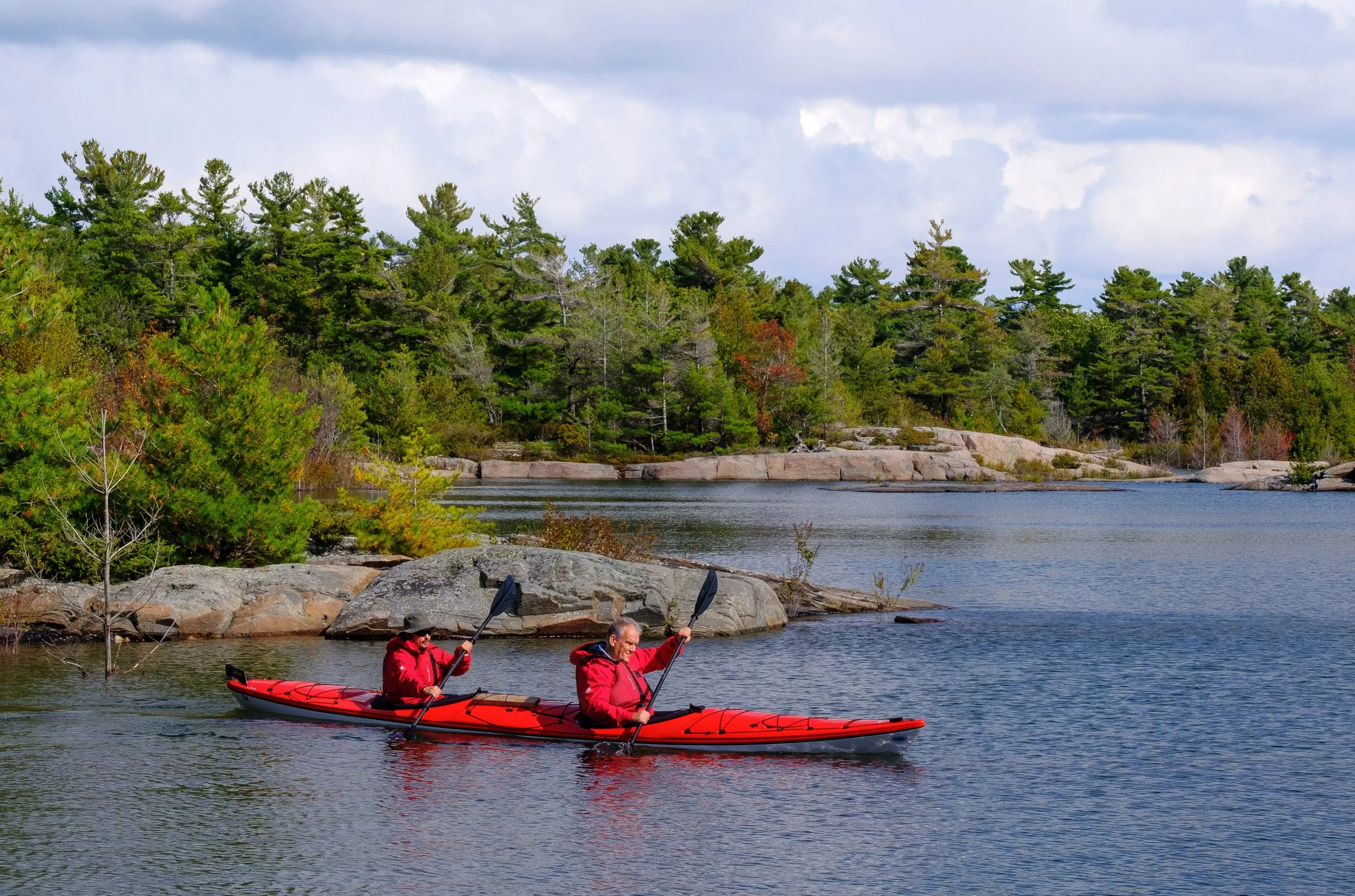
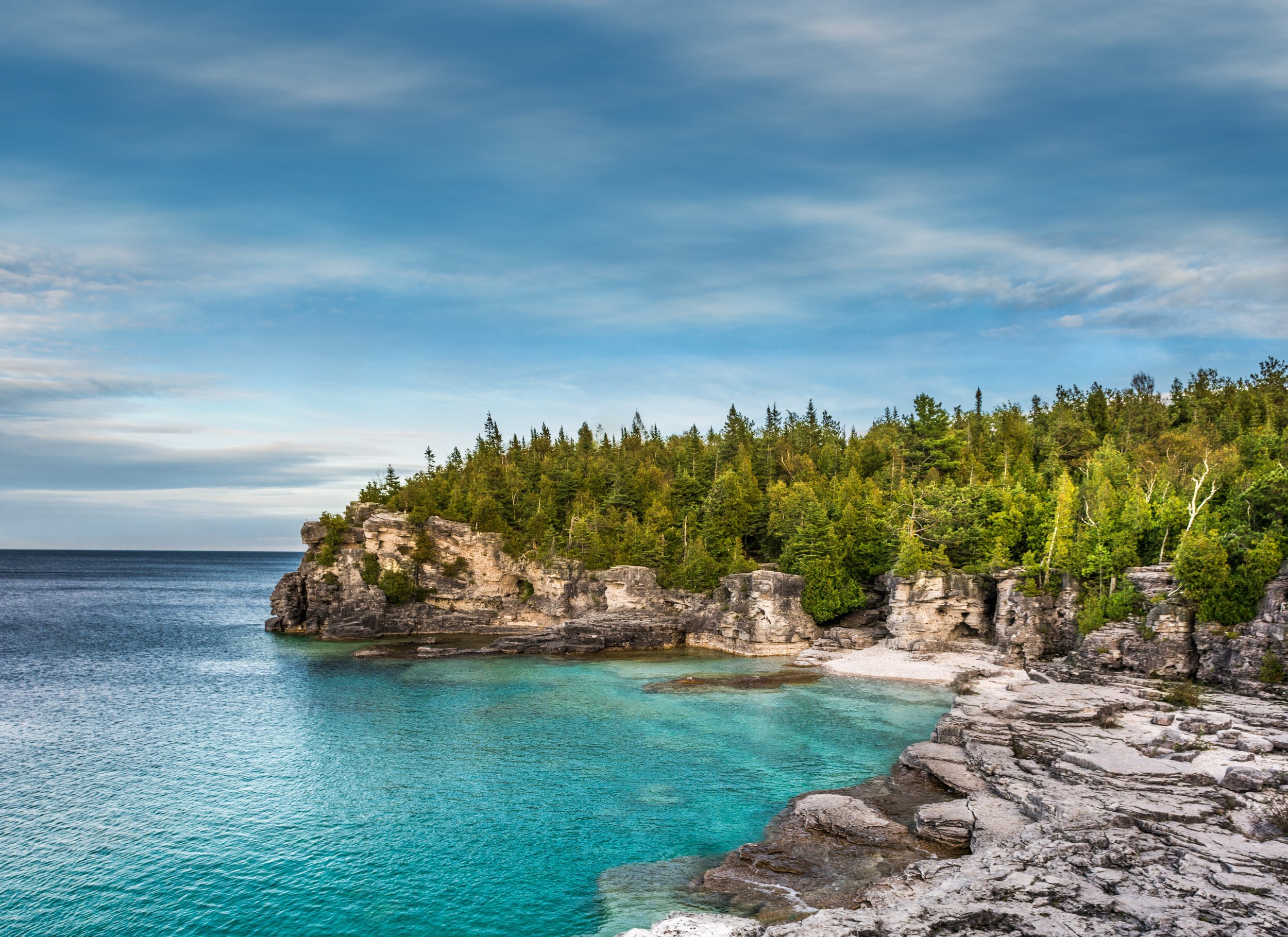
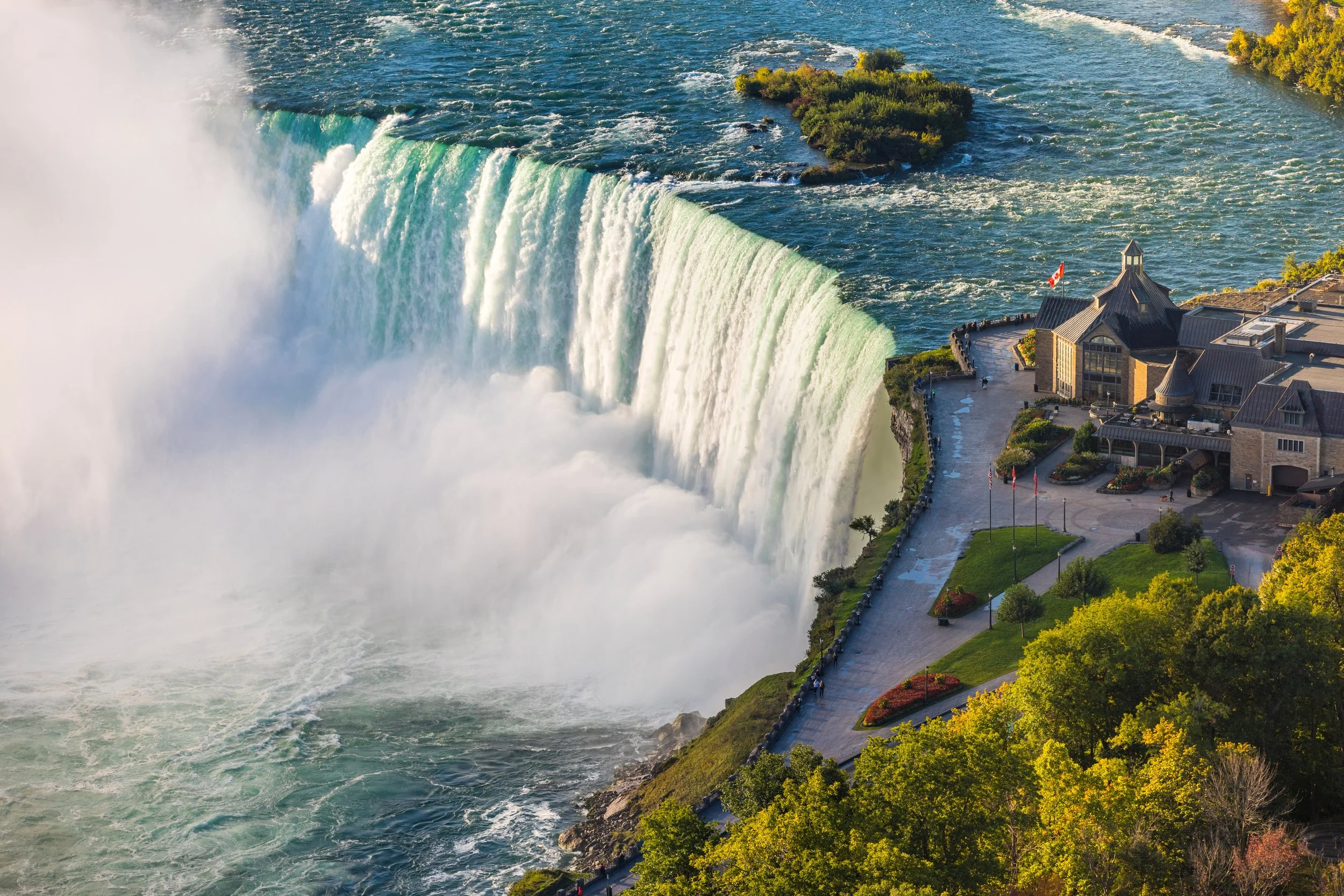
Great Lakes and St. Lawrence itineraries combine well-known stops with smaller destinations and outdoor-focused experiences. Excursions can range from guided city tours to hiking, kayaking, and small-group experiences in less-visited areas.
Why People Choose This Style of Travel
River cruises tend to cost more than many ocean cruises, but they’re structured differently.
In most cases, the price includes excursions, meals, some beverages, and transportation between destinations. Viking also often offers airfare credits in many promotions.
You’re not booking multiple hotels or trying to coordinate trains or flights between stops. The itinerary is already built, and you’re moving through it without having to plan each step.
For many travelers, that’s the main reason they choose it.
Why It Continues to Grow
This type of travel fits what a lot of people are looking for.
Smaller groups, a more manageable pace, and trips that don’t require constant planning once you’re there.
It’s also common for people who have already taken ocean cruises to start looking at river cruising as something different to try next.
It’s also important to note that the offerings and experiences between river and expedition cruise lines vary, and not each ship or line is exactly the same, so it is important to know the product and make sure it matches your travel style.
A Local Perspective
Living along the St. Lawrence, it’s easy to get used to what’s around us.
The river is part of everyday life. Crossing into Canada is routine. Driving to the Adirondacks or Lake Placid doesn’t feel like a big trip.
From a travel standpoint, though, those are the kinds of things people look for.
The St. Lawrence River, the Thousand Islands, and the Adirondacks all draw visitors from outside the area.
Ogdensburg also has a few things working in its favor geographically.
The Port of Ogdensburg operates as a cargo port and is the only U.S. port located directly on the St. Lawrence River
There is a direct bridge into Canada
Commercial air service is available locally
Ottawa is less than an hour away
It’s not a passenger cruise port today, but the location and infrastructure are there. As cruise activity continues to develop in the region, it’s the type of place that could be part of that discussion.
If you’re interested in following these ships as they move through the Seaway this season, the St. Lawrence Seaway Ship Watchers Network is a great local resource where people track transits, share photos, and post updates in real time.
Thinking About River Cruising?
If you’re considering a river cruise or want to understand how it compares to other types of trips, we are happy to walk you through options to help you decide what fits best. Email us at INFO@NOCOTRAVELPLANNERS.COM and we will pair you with an expert.
About the Author

Ben Reed, Founder & Travel Advisor, North Country Travel Planners
Ben Reed is a certified travel advisor and owner of North Country Travel Planners, where he designs elevated travel experiences around the world. He began his career in airline reservations and ticketing for a major U.S. carrier before serving as an Onboard Service Lead for another U.S. airline, working within their premium cabin product.
His specialties include premium ocean and river cruises, Alaska cruises and cruisetours, European Christmas market journeys, curated group travel, and bespoke itineraries tailored to each client’s vision. With firsthand experience across multiple cruise lines and destinations, Ben focuses on thoughtful planning, personalized service, and creating meaningful journeys that go far beyond the ordinary.
To learn more or explore future travel ideas:
📧 benreed@nocotravelplanners.com
Follow me on Facebook for more travel content!
© 2026 Benjamin Reed / North Country Travel Planners. All rights reserved.
Image Credits: Select images provided by Viking Cruises Travel Advisor Portal and used for promotional purposes.